
 DIY - Tools
 Terrace - Garden
 Kitchen - Home
 Outdoor - Camping
 Sports - Leisure
 Pet Store
 Baby - Childcare
 Hygiene - Health
 High Tech
 Second Life


Preparing Your Soil in Spring: Tiller or Cultivator? Complete Guide
Spring is a key season for gardeners. Before sowing, planting and setting up your vegetable garden, one step is essential: preparing the soil. After winter, soils are often compacted by frost, rain and reduced biological activity.
Working the soil helps aerate the ground, promotes root development and improves the absorption of water and nutrients. To do this, two machines are commonly used: the garden tiller and the cultivator.
But which machine should you choose? What is the difference between a cultivator and a garden tiller? And how can you effectively prepare your soil before spring planting?
Why prepare your garden soil before spring?
Soil preparation is essential for achieving a productive garden and a fertile vegetable patch. Well-worked soil creates the ideal environment for plant roots.
Working the soil allows you to:
- loosen soil compacted during winter
- aerate the soil and improve drainage
- promote microbial life
- facilitate root penetration
- incorporate compost and natural soil amendments
Proper soil preparation makes sowing, planting and crop growth much easier.
Cultivator or garden tiller: what's the difference?
Although both machines are used to work the soil, their purposes differ. The right choice mainly depends on the size of your land, soil type and the work required.
The cultivator: for loosening and maintaining soil
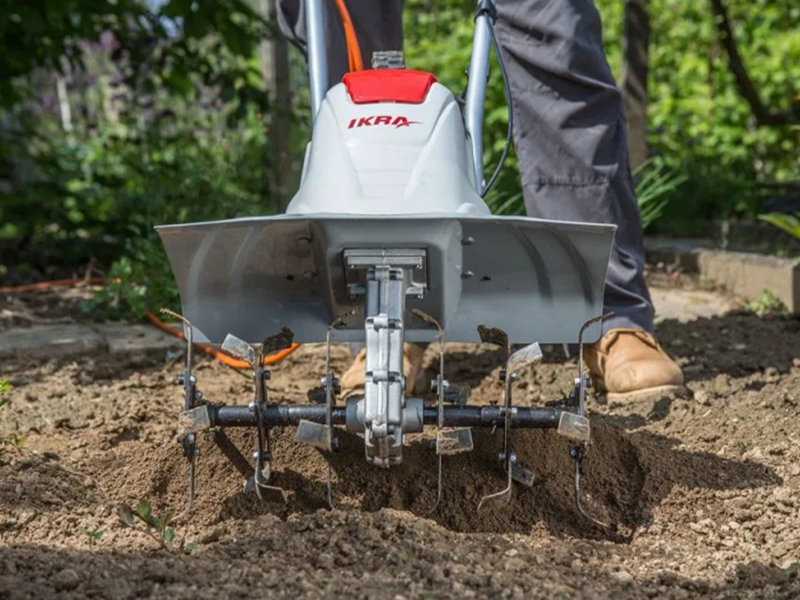
The cultivator is a compact and easy-to-handle machine used to loosen the surface layer of the soil. It is particularly suitable for already cultivated gardens.
It is ideal for:
- preparing an existing vegetable garden
- maintaining flower beds
- mixing compost and fertilizers
- weeding between rows
A cultivator typically works the soil at a depth of 10 to 15 cm. It is perfectly suited for small to medium-sized gardens.
The garden tiller: for deep soil turning
The garden tiller is a more powerful machine designed for difficult soils or for preparing large areas.
It allows you to:
- turn soil that has never been cultivated
- loosen clay soils
- prepare a new vegetable garden
- work the soil deeply
Thanks to its rear tines and drive wheels, a garden tiller can work soil up to 20 to 30 cm deep.
Quick comparison table: cultivator vs garden tiller
| Criteria | Cultivator | Garden Tiller |
|---|---|---|
| Soil work | Loosening | Turning |
| Depth | 10 to 15 cm | 20 to 30 cm |
| Recommended surface | Small garden | Large plot |
| Maneuverability | Very easy | More powerful |
| Use | Vegetable garden maintenance | Full soil preparation |
Steps to efficiently prepare your garden soil
1. Clean the surface of the land
Before working the soil, it is recommended to remove elements present on the surface:
- dead leaves
- branches
- stones
- roots
This cleaning makes it easier for machines to pass and protects the tines of the tiller or cultivator.
2. Loosen and aerate the soil
Once the ground is cleaned, you can work the soil using a cultivator or a garden tiller to:
- break up soil clods
- aerate the soil
- decompact the ground
It is recommended to work the soil when it is slightly moist but never waterlogged.
3. Enrich the soil with compost
Passing the machine is the ideal moment to incorporate:
- compost
- decomposed manure
- potting soil
- organic amendments
These materials improve soil fertility and stimulate plant growth.
For late gardeners: cleaning the garden before the season
If your garden has not yet been maintained after winter, some simple actions can help prepare for spring.
Cleaning terraces and pathways
Terraces and walkways often accumulate moss and dirt during winter. Using a pressure washer quickly restores clean surfaces.
Pruning shrubs and recycling garden waste
The end of winter is ideal for trimming hedges and shrubs. Branches can be turned into mulch using a garden shredder.
Reviving the lawn
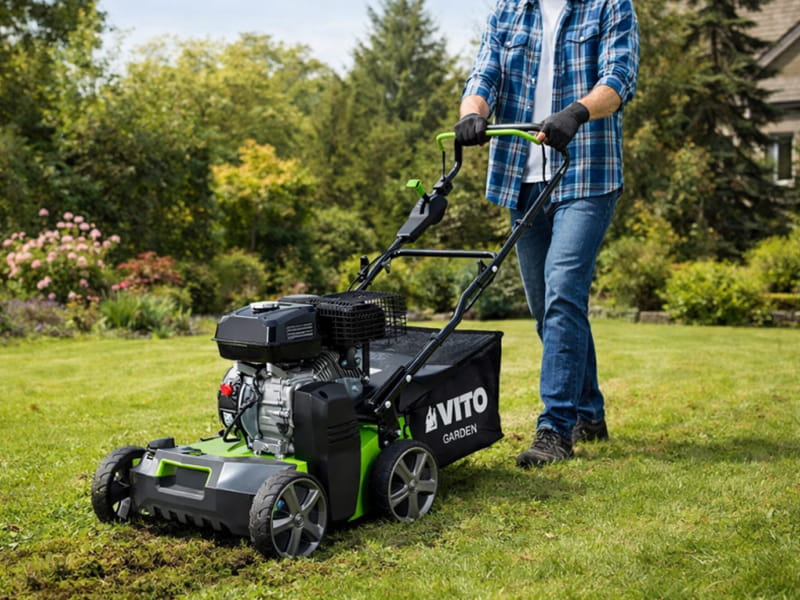
To achieve a dense and green lawn, scarifying is an important step. A scarifier removes moss and aerates the lawn.
When should you prepare vegetable garden soil?
Soil preparation generally begins between February and April, depending on region and weather conditions.
You should never work soil that is:
- frozen
- waterlogged
Soil that is too wet becomes compacted and loses its structure.
Conclusion
Preparing your soil is the foundation of a successful garden. Whether you use a cultivator to maintain your vegetable garden or a garden tiller to work more demanding soil, proper soil work significantly improves long-term soil fertility.
By combining garden cleaning, soil preparation and organic matter addition, you create ideal conditions for spring planting.
Share this content